
Mountain Water: The Pure Gift of Nature
Mountains are among the most beautiful and important natural resources on Earth. They provide us with forests, wildlife, fresh air, and—most importantly—water. Mountain water comes from sources such as melting snow, glaciers, rainfall, springs, and underground streams. It plays a vital role in supporting both nature and human life.
What Is Mountain Water?
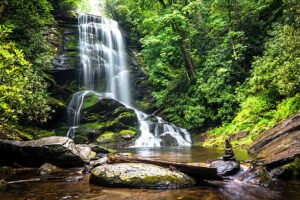
Mountain water is water that originates in mountainous regions. Snow and ice accumulated on mountains gradually melt as temperatures rise, while rainwater flows through rocks and soil. This water collects in streams, rivers, lakes, and natural springs.
Many major rivers around the world begin in mountain regions. These rivers provide water for drinking, farming, electricity generation, and everyday activities.
Why Is Mountain Water Important?
Mountain water is essential for both people and the environment. It supports forests, plants, animals, and communities living in and around mountain regions.
Some important benefits include:
Drinking water: Mountain springs and rivers can provide freshwater for communities.
Agriculture: River water is used to irrigate crops and support farming.
Wildlife: Mountain streams and rivers create habitats for fish, birds, and other animals.
Hydroelectric power: Flowing mountain water can be used to generate electricity.
Ecosystem balance: Freshwater helps maintain healthy forests, wetlands, and other ecosystems.
How Does Mountain Water Reach Us?
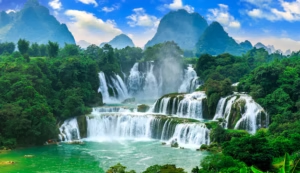
The journey of mountain water is part of the natural water cycle. Snow and glaciers melt, rainfall enters the ground, and water flows downhill through streams and rivers. These rivers may travel hundreds or even thousands of kilometers before reaching plains, cities, and agricultural areas.
This natural flow makes mountains extremely important to freshwater resources.
Is Mountain Water Always Pure?
Mountain water is often associated with purity because it may come from natural springs and remote areas. However, it is not automatically safe to drink. Water can become contaminated by microorganisms, animals, pollution, mining, agricultural chemicals, or human activity.
If you collect water directly from a mountain stream or spring, it should be properly treated or tested before drinking.
Threats to Mountain Water
Mountain water resources face several challenges today. Climate change is affecting snowfall, glaciers, rainfall patterns, and water availability in many regions. Pollution and deforestation can also damage mountain watersheds.
Other threats include:
Melting glaciers
Changing rainfall patterns
Plastic and other pollution
Deforestation
Overuse of freshwater
Increasing temperatures
Protecting mountain ecosystems is therefore essential for securing freshwater supplies for future generations.
How Can We Protect Mountain Water?
Everyone can contribute to protecting freshwater resources. Governments, local communities, travelers, and businesses can help by reducing pollution and protecting natural ecosystems.
Simple actions include:
Avoid throwing plastic and waste into rivers and streams.
Protect forests and natural vegetation.
Use water responsibly.
Support responsible tourism in mountain areas.
Protect wetlands, springs, and watersheds.
Spread awareness about freshwater conservation.
Conclusion
Mountain water is one of nature’s most valuable gifts. From tiny mountain springs to enormous rivers, these water sources support people, agriculture, wildlife, and entire ecosystems.
Protecting mountains means protecting water. By keeping mountain environments clean and healthy, we can help ensure that freshwater remains available for generations to come.
Mountains give us more than breathtaking views—they help give us life itself through water.